

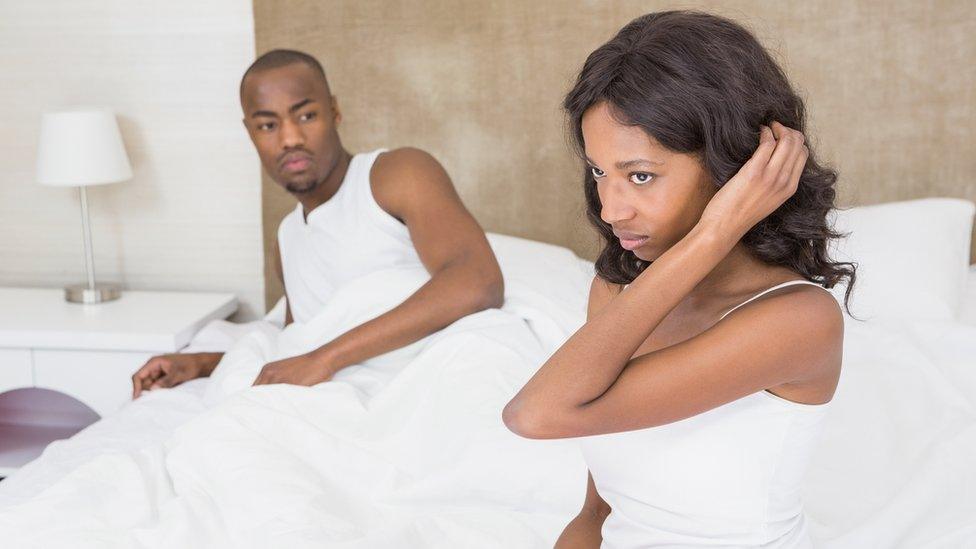
When asking “who is more sexually active male or female“, the answer is more about how the desire functions than just a number. While men often report a higher frequency of spontaneous sexual thoughts, women’s desire is frequently “responsive”—meaning it is heavily influenced by emotional safety, stress levels, and relationship quality. In 2026, experts emphasize that sexual “activity” is highly individual and depends more on context and compatibility than gender alone.
The honest answer is: it depends entirely on how you define ‘sexually active,’ who you ask, and what stage of life they’re in. Men tend to score higher on spontaneous desire. Women tend to score higher on responsive desire – meaning arousal follows the right conditions rather than preceding them. Neither is more or less valid as a form of sexuality.
What Major Research Studies Say
| Study / Source | Key Finding |
| Baumeister et al. (2001) – meta-analysis | Men think about sex more frequently and report stronger sex drives across cultures |
| Kinsey Institute surveys | Men masturbate more frequently than women; women report greater variability in desire |
| NATSAL (UK National Survey) | Men report more sexual partners on average; women report higher rates of low desire |
| Archives of Sexual Behavior (2015) | Women’s desire is more context-dependent; men’s is more spontaneous |
| WHO Global Health Study | Sexual dysfunction (including low desire) more commonly reported by women globally |
| Meston & Buss (2007) | Men and women cite overlapping but distinct reasons for having sex; women cite emotional bonding more frequently |
Biological Factors
Testosterone: The primary driver of spontaneous sexual desire in both sexes. Men have significantly higher testosterone levels – roughly 10-20x more than women – which correlates with more frequent, unprompted sexual thoughts.
Hormonal cycles in women: Women’s desire fluctuates meaningfully across the menstrual cycle, peaking around ovulation. This cyclical pattern creates variation that flat comparisons to men don’t capture.
Estrogen and progesterone: These hormones influence not just fertility but emotional availability and sensitivity to touch – factors that shape sexual experience in ways testosterone alone doesn’t.
Social and Cultural Factors That Skew the Data
Self-reported data has a well-documented problem: men tend to overreport sexual activity and partners; women tend to underreport. This isn’t unique to any one culture – it appears consistently across studies globally, and it reflects social norms around what’s considered acceptable to admit.
- Men face social pressure to appear sexually experienced and active
- Women face social stigma for the same – which suppresses honest reporting
- Studies using anonymous reporting or lie detectors show the gender gap in reported partners shrinks significantly
- Cultural and religious context shapes what people even count as ‘sexual activity’
How Age Changes the Equation
| Life Stage | Men | Women |
| Teens-20s | Peak spontaneous desire; high initiation | High desire but more emotionally contextual |
| 30s | Relatively stable desire | Many women report peak sexual confidence and satisfaction |
| 40s-50s | Gradual testosterone decline begins | Perimenopause affects desire variability significantly |
| 60s+ | Desire persists but physical factors increase | Post-menopause: some women report freedom and increased desire; others report decline |
Why Framing This as a Competition Misses the Point
Sexual activity isn’t a scoreboard. The more useful question for any couple isn’t ‘who wants it more?’ but ‘how do we understand and bridge our differences in desire?’ – because mismatched libido is one of the most common relationship challenges, and it cuts across gender in both directions.
- Desire discrepancy exists in most long-term relationships regardless of gender
- Understanding your own desire style (spontaneous vs. responsive) is more useful than comparing to averages
- Communication about needs, frequency, and type of intimacy matters more than who initiates
The research is clear that differences exist – but the differences within each gender are often larger than the differences between them. Human sexuality resists simple comparisons.
